Soapstone
Brazilian Soapstone: Natural, Functional, Timeless
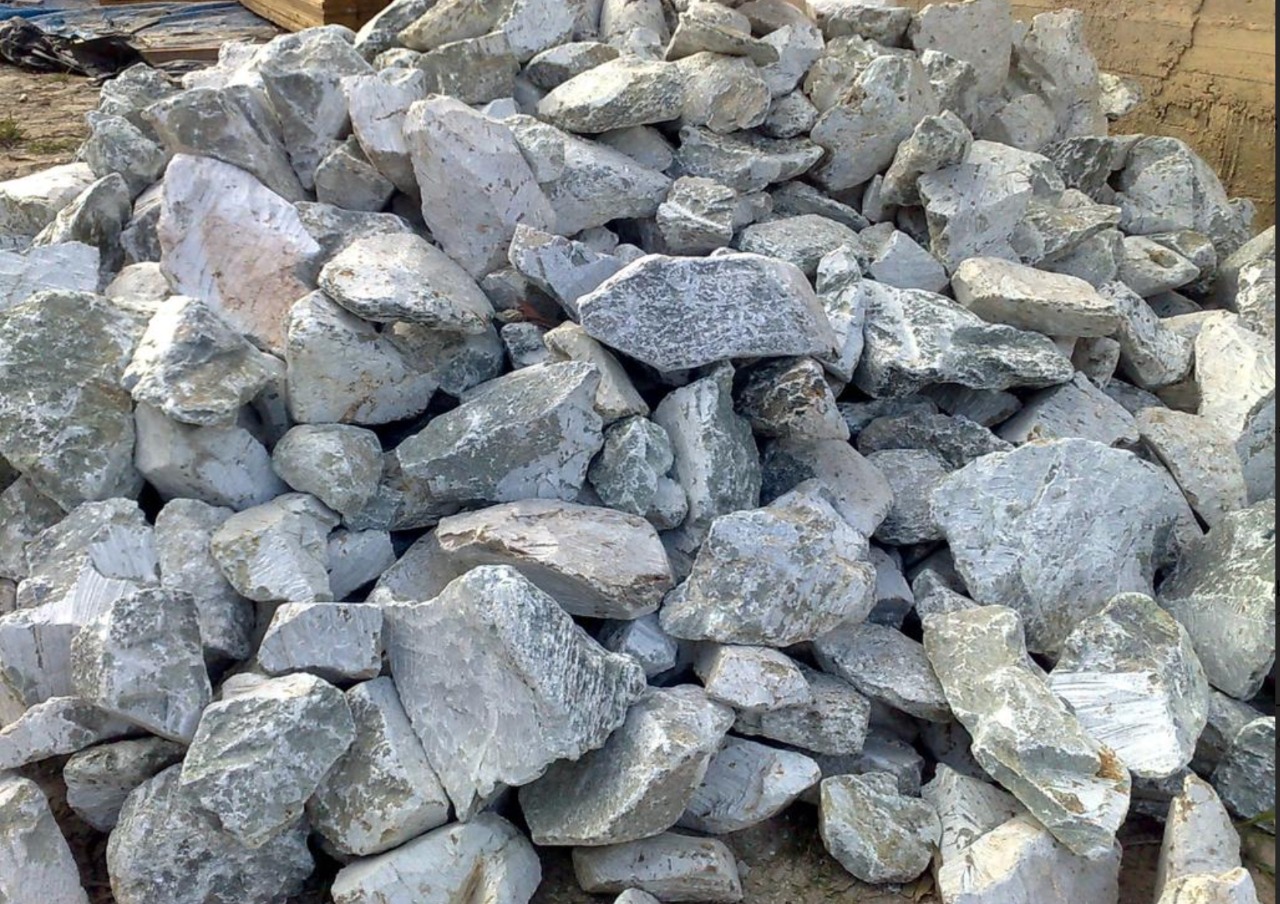
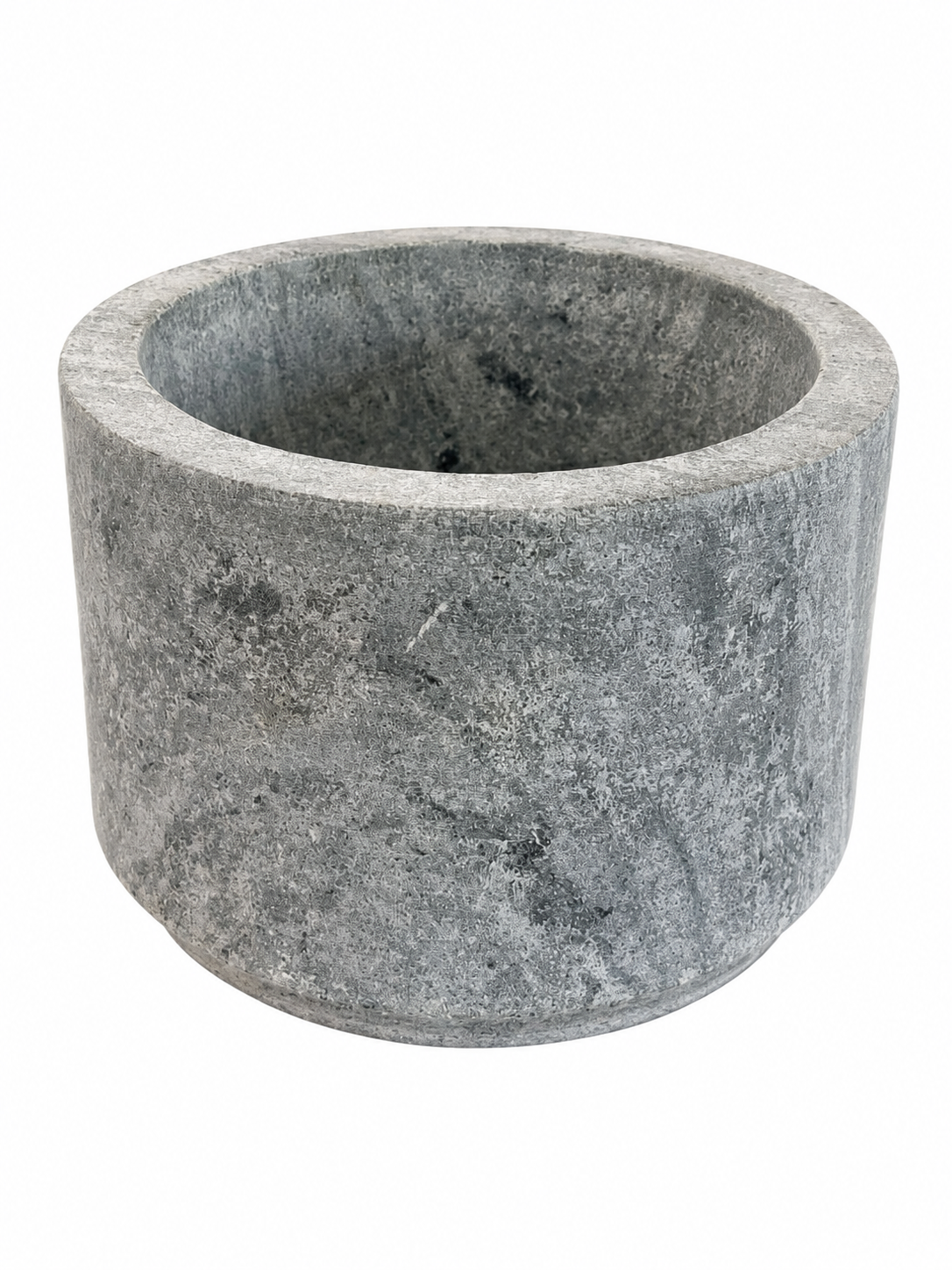
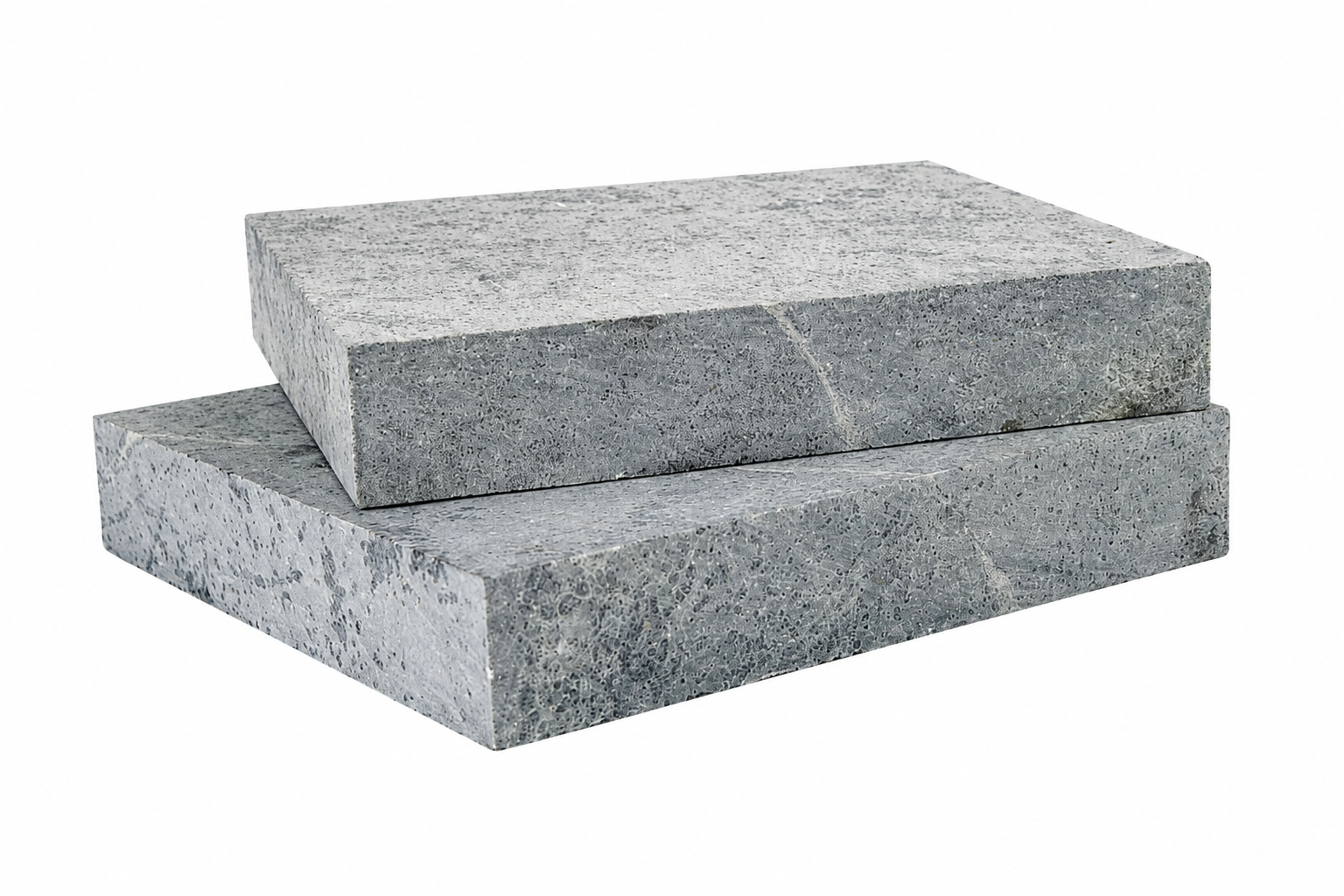
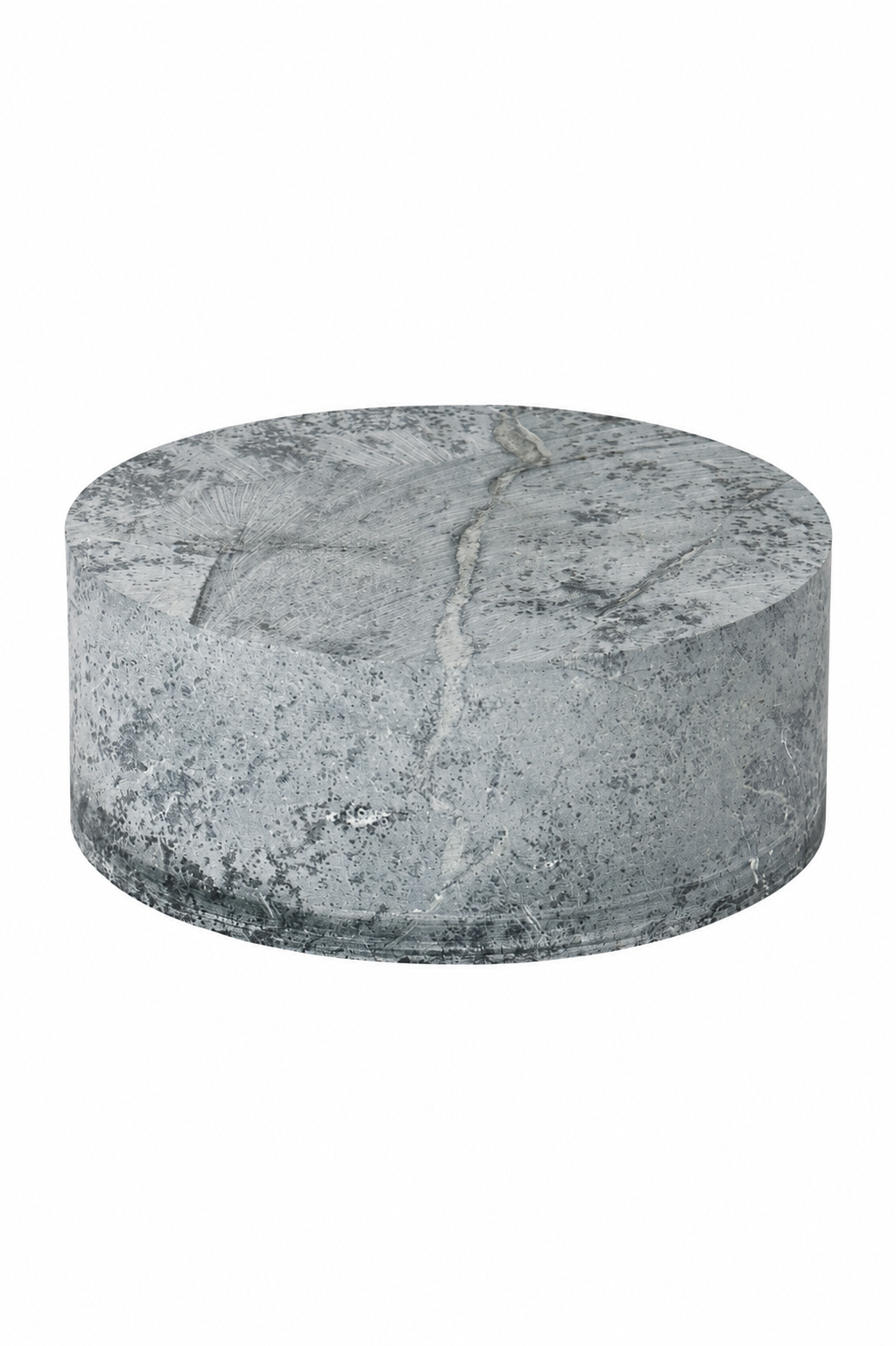
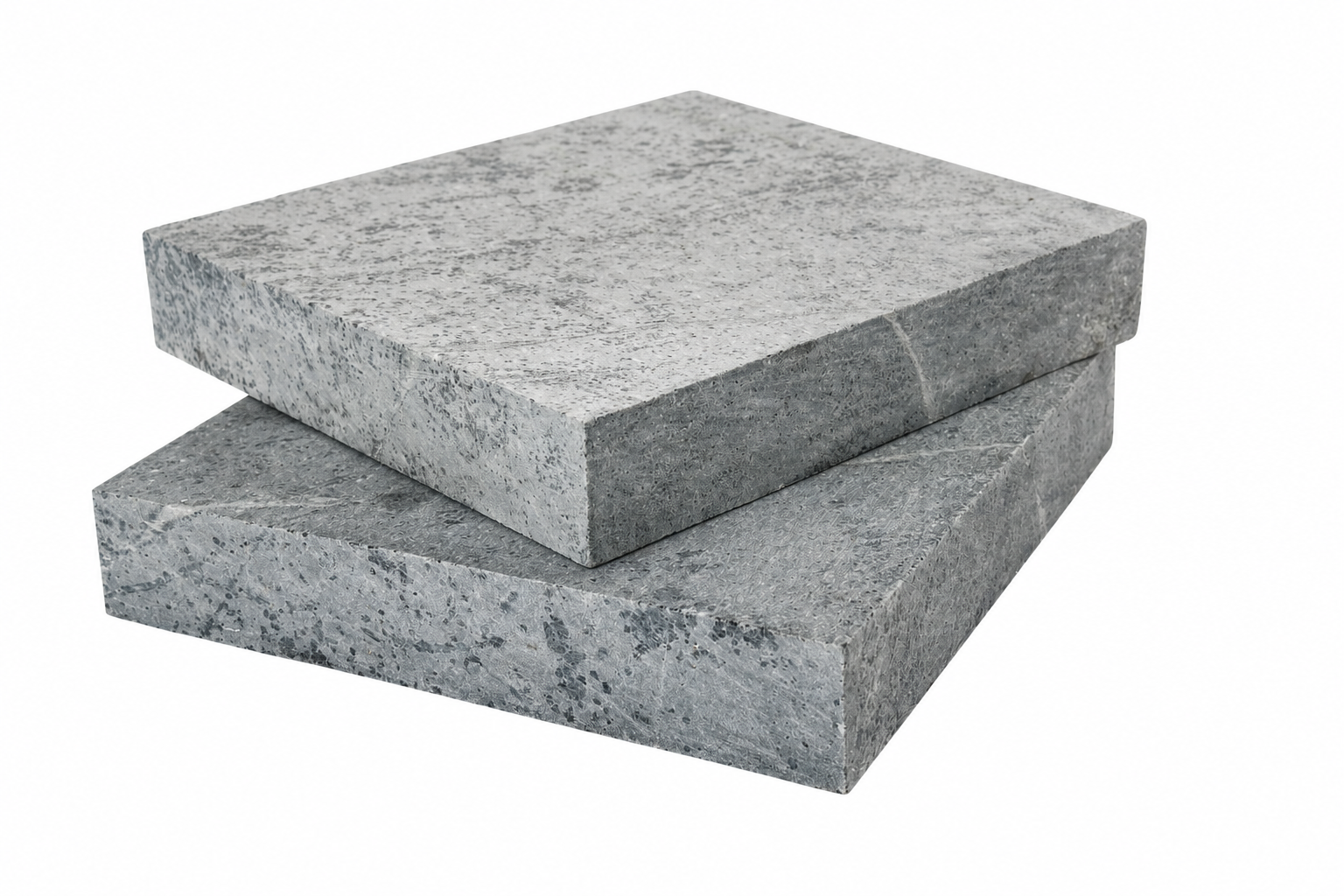
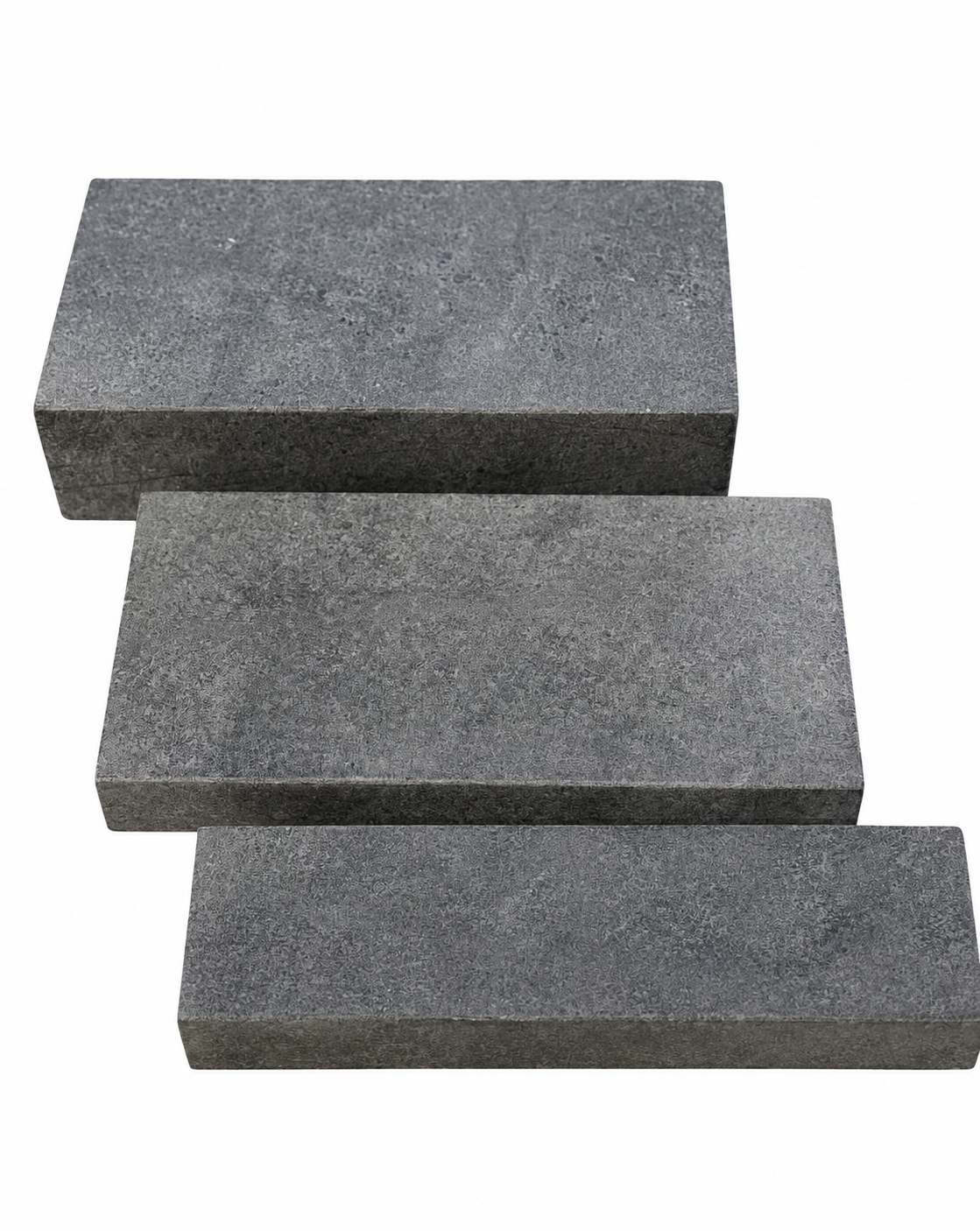
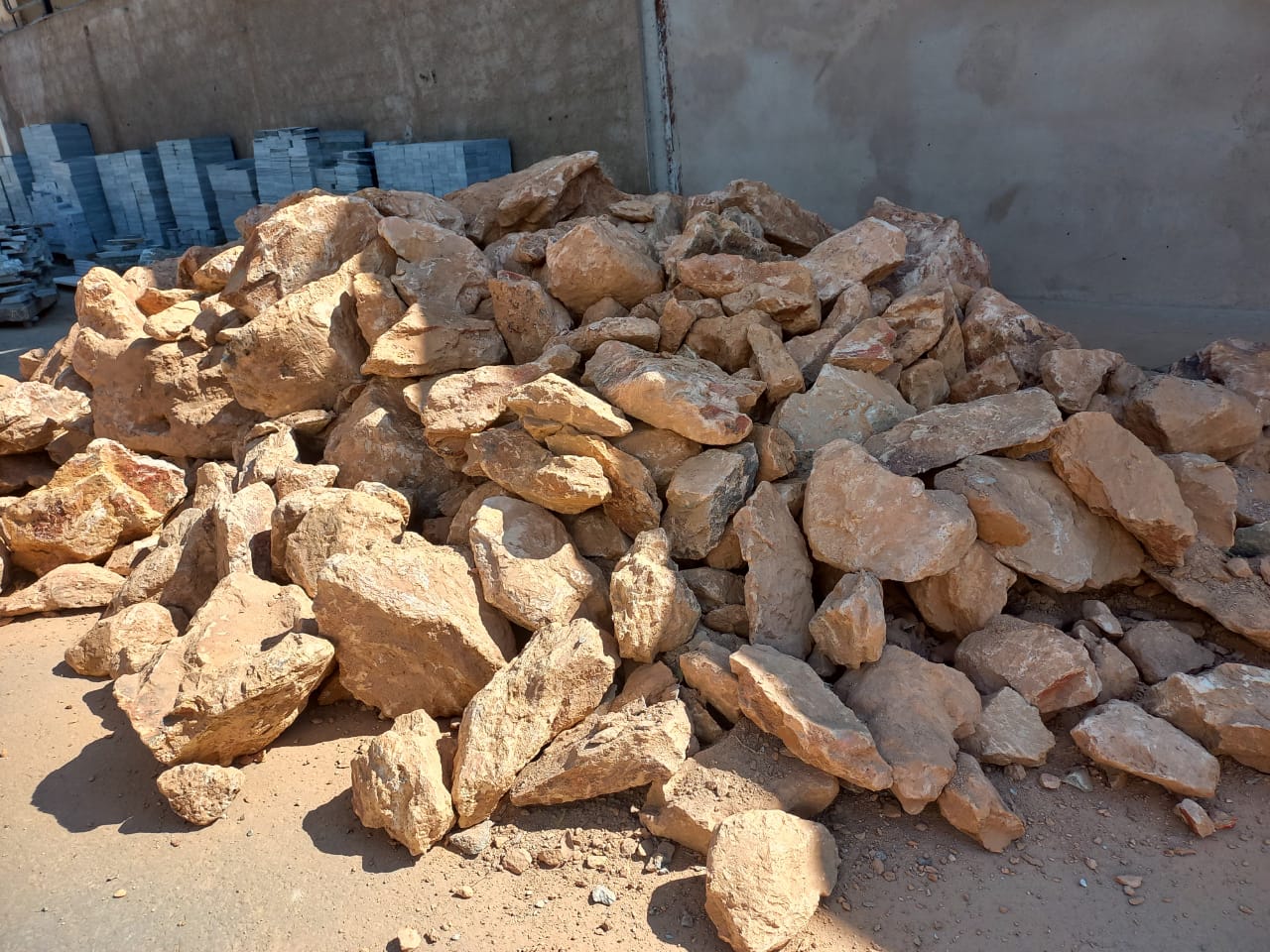
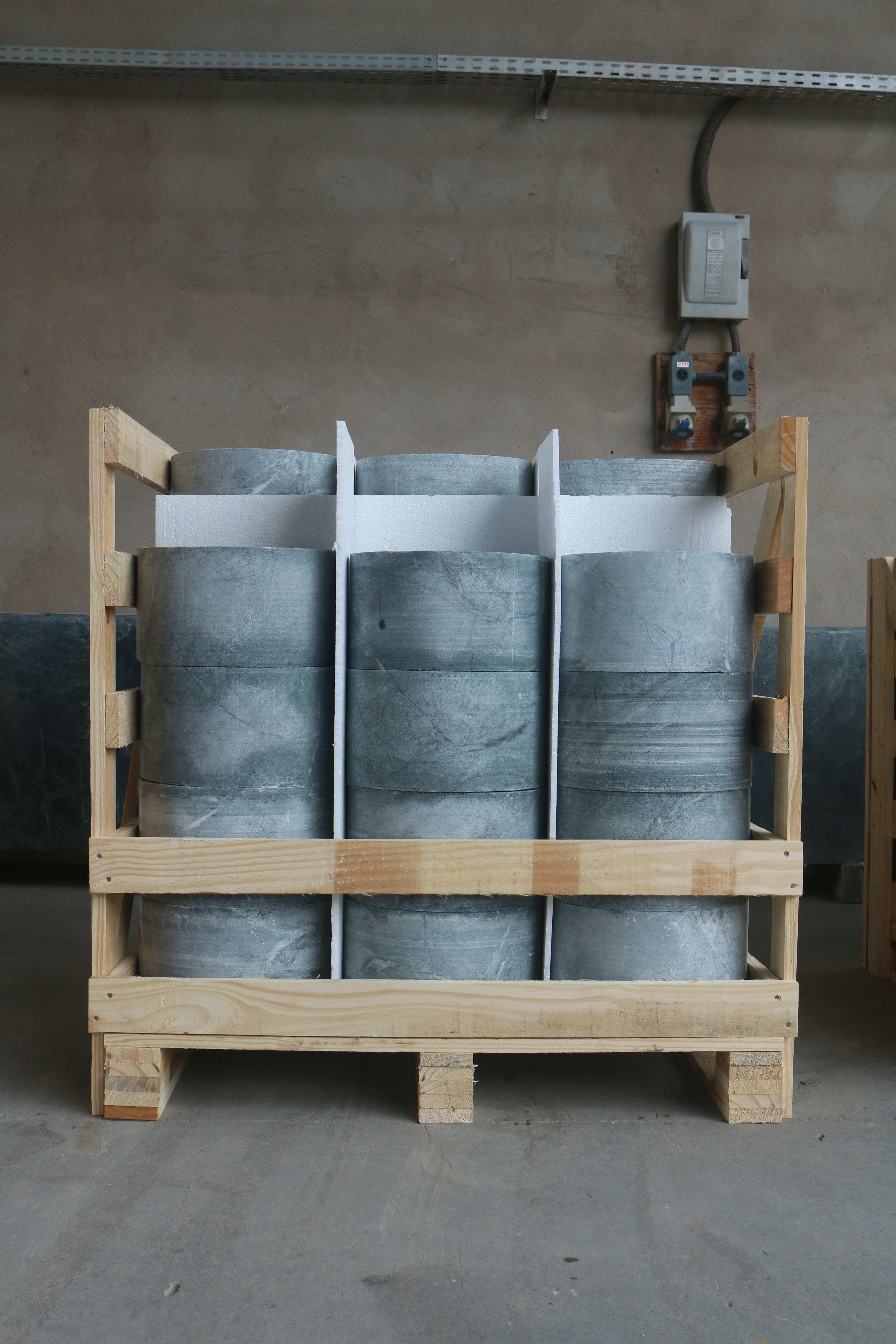
Brazilian soapstone is one of those materials that feels good the moment you touch it. It has a naturally smooth, almost silky surface and comes in soft gray tones that range from light silver to deep charcoal. With time and use, it darkens and evens out, creating a richer, more lived-in look.
It’s also part of Brazil’s history. The outer layer of the Christ the Redeemer statue is made from soapstone, chosen for its ability to handle weather and stand the test of time.
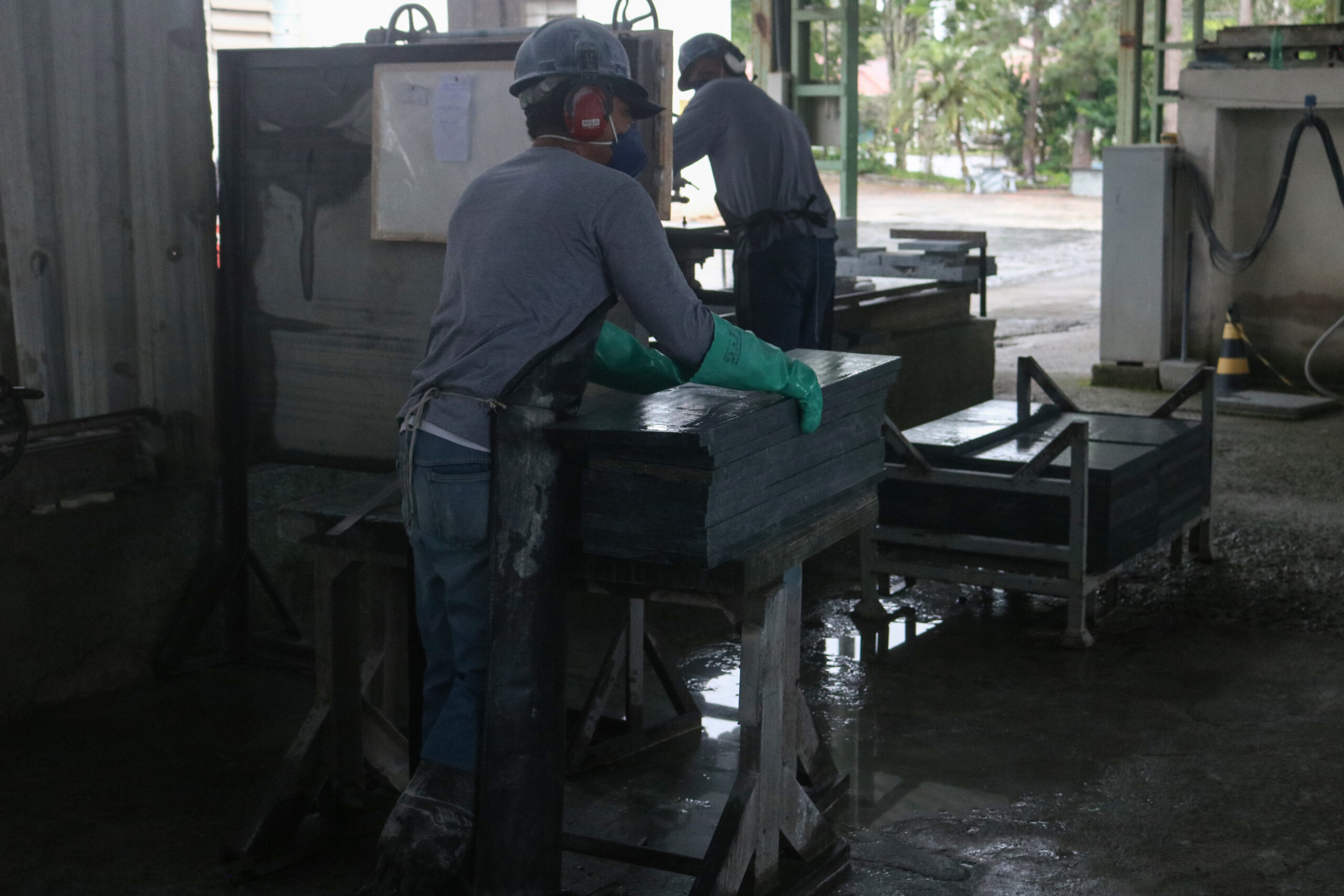
Soapstone is rich in talc, which gives it that soft feel and makes it easier to shape than other stones. But don’t let that fool you—it’s dense, non-porous, and incredibly stable under heat. Some pieces, especially when oiled, turn into what we call black soapstone, with a deep, almost solid black appearance.
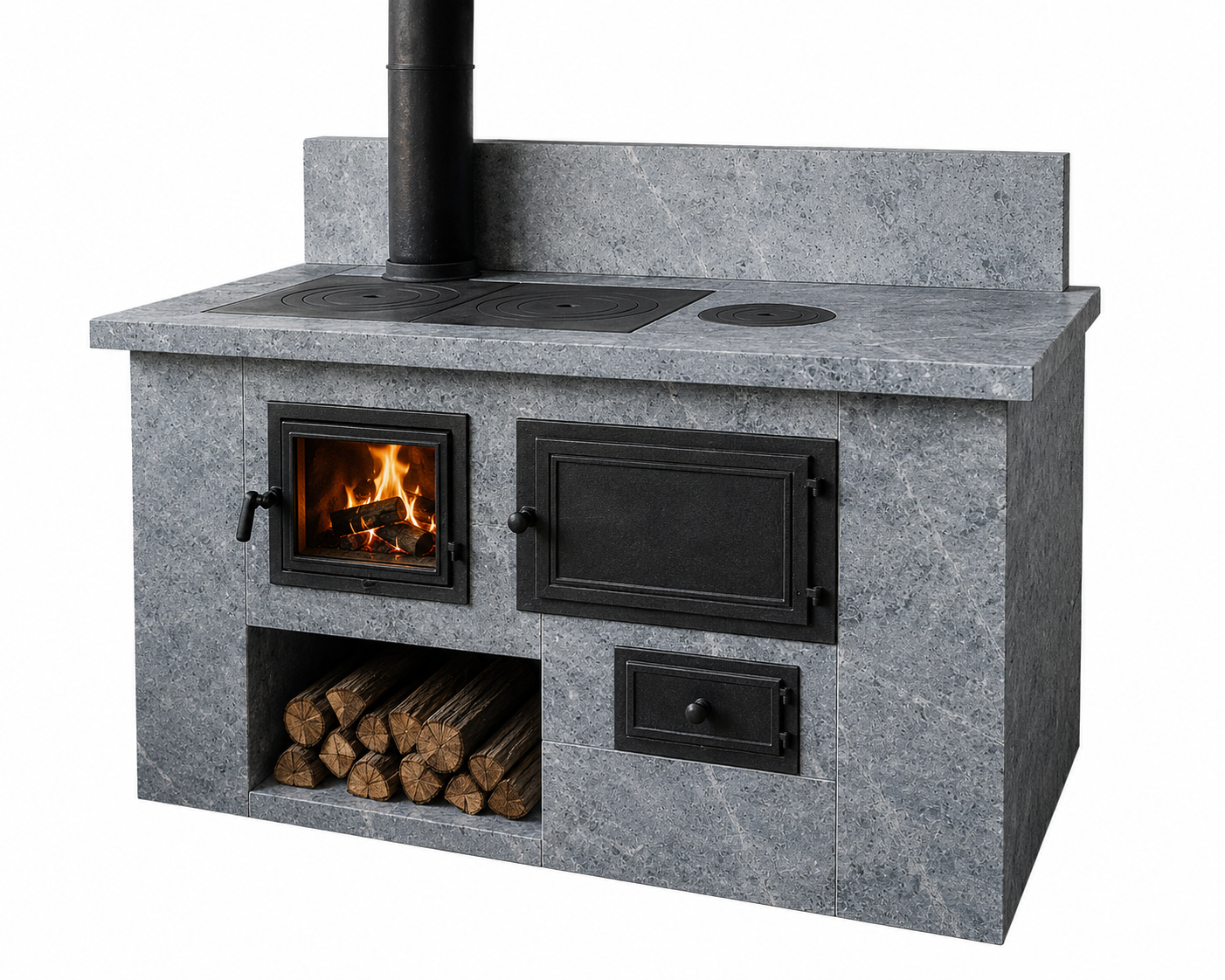
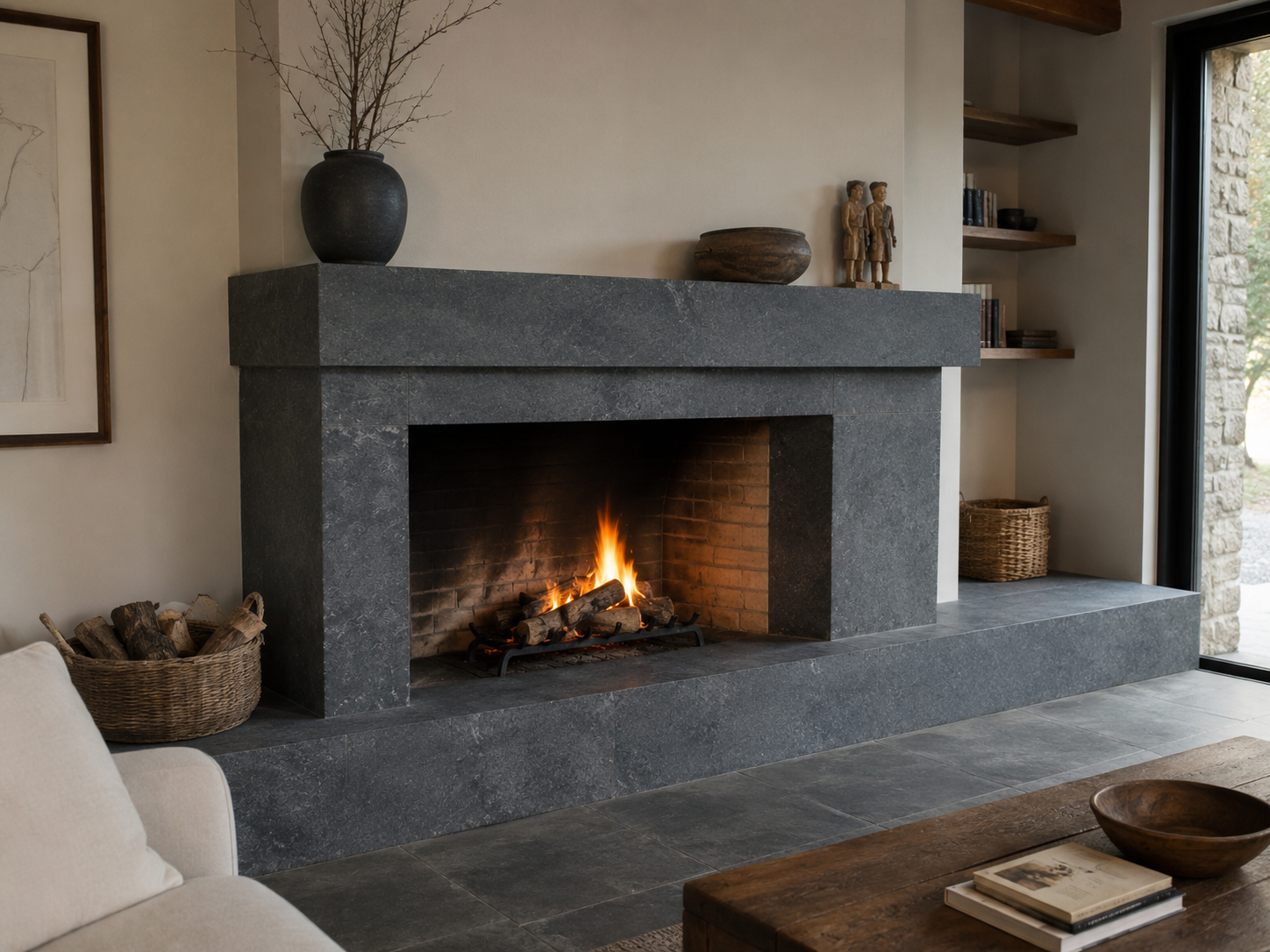
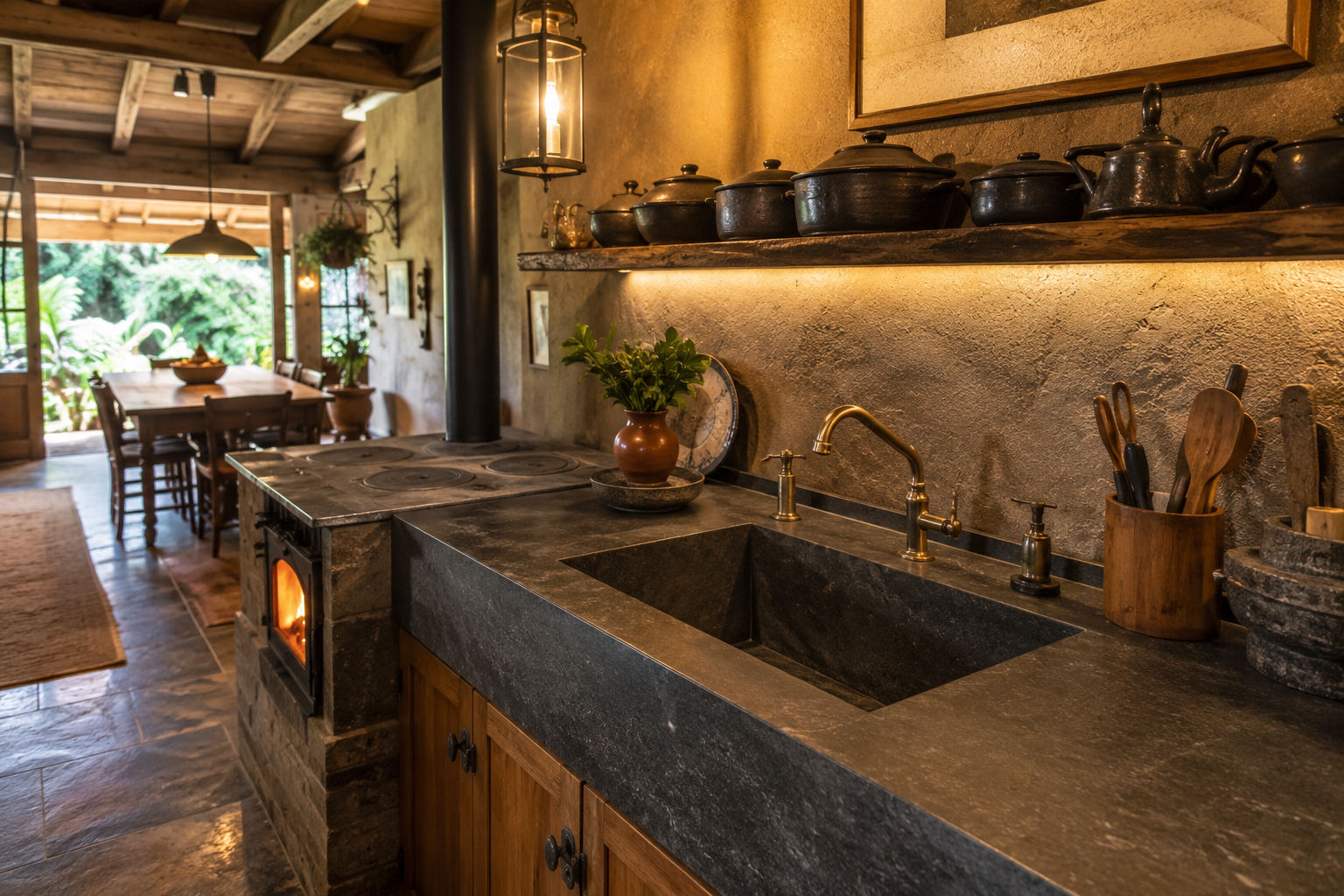
Because it holds heat so well, soapstone is widely used for fireplaces and kitchen pieces—from cooking pans and pizza stones to whiskey cubes. It doesn’t just handle temperature changes, it works with them, making it both practical and enjoyable to use.
Another important point: Brazilian soapstone is naturally asbestos-free, making it safe for everyday environments.
What makes soapstone special isn’t just how it looks—it’s how it lives with you. It ages, adapts, and gets better over time.